Count the supplied garments
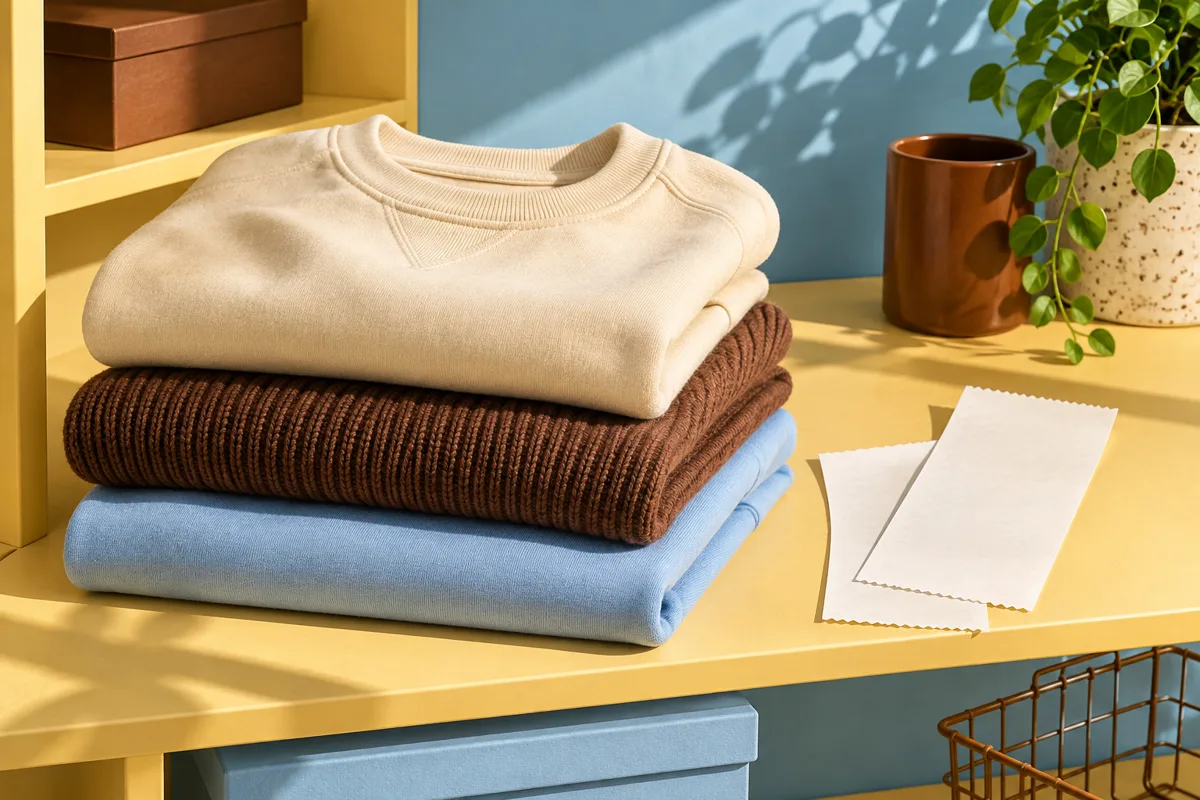
Our selected basket has three retail units: one Powder Blue tee, one Blackberry hoodie and one Black Mix pack containing two pairs of joggers. That is four garments. It is not three complete outfits or two complete coordinated sets, and the pack does not include an extra tee or hoodie.
Separate a derived unit price from an offer
The £16 jogger pack gives a derived £8 per pair. That arithmetic does not mean the retailer sells a single pair for £8 or lets you choose only one member of the pack. The price tool keeps the complete selected offer separate from the declared matching-garment denominator.
Do not merge different stock roles
Stock targets must also remain separate. Two jogger pairs already held cannot satisfy a target for two hoodies. A complete-outfit target would require an explicit component plan and matching rules not supplied by these offers, so the stock tool refuses that unsupported basis instead of dividing by four.
Build an explicit shopping list
Write how many of each exact item you want before choosing retail quantities. Then round each matching garment requirement to its own whole purchase pack. This avoids paying for an unintended extra pair or assuming a bundled garment is supplied when it is only pictured nearby.
Apply it to the selected purchase
When comparing packs, distinguish a pair of trousers from a pair of garments. Here a two-pack means two trousers, each a pair of joggers; it does not mean two retail packs.
Sources & scope
Checked November 5, 2026. Manufacturer and retailer references support the specific statements. Dated displayed prices are not final checkout quotes, performance rankings or performance testing. This shopping reference does not replace the exact product label or retailer instructions. Current received labels and independent apparel/textile/content/commerce review remain pending.
M&S UK Powder Blue teeT874395B ↗
Keep reading
What are the three exact UK 13–14 Years quotes? ↗